
|
|
AI-Powered WordPress by Richard Mansfield In the ever-evolving digital landscape, the creation and management of a website has transcended mere online presence to become an art form in itself. It’s a multifaceted journey that encapsulates not just the aesthetics of web design but also the technical and strategic nuances that make a website effective and engaging. This article delves into the critical aspects of website development, as found within the pages of AI-Powered WordPress, by Richard Mansfield, from initial planning to content management and optimization. It offers a roadmap for those embarking on the exciting yet challenging path of creating a website that resonates with its audience and stands out in the digital arena. |
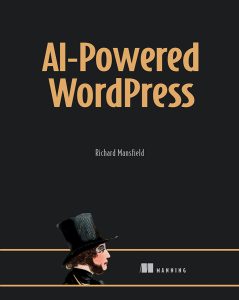
Out Now! Only @Manning.com
Get 45% OFF! With Code wrdpressfcc23
Who is This Book For
Your online competition is using artificial intelligence to take their website design and content to the next level. You, too, should learn how to benefit from AI in every aspect of site building. AI-Powered WordPress shows you exactly how to use AI with WordPress to create a dynamic and successful site. Constructing an excellent website involves more than just assembling pages and content. It requires a strategic approach encompassing everything from site planning and content creation to technical optimization and audience engagement.
With AI assistance you can transform a simple site into first-class online presence. Whether you’re building a personal blog, a business site, or an educational platform, artificial intelligence platforms like GPT and Midjourney will make your site fully professional. These days, using AI is essential to building a competitive site. And this book was written for everyone: no previous experience with either AI or WordPress required.
For more in-depth learning, pick up the book and dive deeper into the lessons discussed in this article.
Leveraging AI in Website Creation
The advent of Artificial Intelligence (AI) in the realm of web development has revolutionized how websites are created, optimized, and managed. AI technologies offer innovative solutions that can significantly streamline the website creation process, enhance user experience, and improve overall website performance. Here’s a look at how AI can be a game-changer in various aspects of website development.
AI-Powered Design and Layout Optimization:
- AI tools can analyze user interaction data and provide insights on optimal website layouts and designs that cater to the preferences of the target audience. This data-driven approach ensures that the website design is not only aesthetically pleasing but also functional and user-friendly.
- AI-driven design assistants can suggest color schemes, typography, and image placements, making the design process more efficient, especially for those without a background in graphic design.
Content Creation and Style Adjustment:
- AI can assist in generating content for websites, especially in creating initial drafts or suggesting improvements in existing content. AI-driven tools can ensure that the tone and style of the content match the intended audience, making the website more engaging and relatable.
- For instance, AI can rewrite text content in various styles, providing options for a more formal or conversational tone, depending on the target audience and the nature of the website.
- As a use case, this article was partially created via AI!
Enhanced User Experience with Chatbots:
- AI-powered chatbots can be integrated into websites to provide instant assistance to visitors. These chatbots can handle inquiries, guide users through the website, and even help in the decision-making process, improving overall user experience.
- Chatbots can be programmed to learn from interactions, continuously improving their ability to provide relevant and accurate responses.
SEO and Analytics:
- AI tools are capable of conducting in-depth SEO analysis, suggesting keywords, and optimizing content to improve search engine rankings. They can analyze large sets of data to identify SEO opportunities that might be missed manually.
- In terms of analytics, AI can process user data to provide insights into user behavior, preferences, and patterns. This information is crucial in making informed decisions about website design, content, and features.
Predictive Analysis for Personalization:
- AI can predict user preferences and behavior based on past interactions, enabling personalized experiences for website visitors. This could include personalized content, product recommendations, or specific user interfaces.
- Personalization not only enhances user experience but can also increase engagement, retention, and conversion rates.
Automated Testing and Bug Fixing:
- AI can automate the process of testing websites for functionality, performance, and responsiveness across different devices and platforms. This ensures a consistent and optimal user experience.
- Some AI tools are capable of identifying and even fixing bugs in the website code, enhancing the efficiency of the development process.
Incorporating AI into the website creation process offers a multitude of benefits, from design and content creation to user experience and analytics. As AI technology continues to evolve, its role in web development is set to become more integral, offering even more sophisticated tools and solutions for website creators.
With this in mind, now, let’s dive into the more traditional elements of website creation and design!
Join Our Newsletter to stay up-to-date on New Releases and Special Deals!
The Art of Pre-planning and Site Structure
The journey of creating a compelling website begins with meticulous pre-planning. This phase involves making critical decisions such as choosing a reliable hosting service, which not only stores and secures your site but also provides essential utilities and support. Opting for reputable hosts like DreamHost, Bluehost, or SiteGround, recommended by WordPress, ensures that the foundation of your website is robust and secure.
Pre-planning also involves conceptualizing the site’s structure. A coherent and well-focused website attracts and retains a more substantial audience. Contrary to popular belief, websites with narrowly focused topics tend to garner more interest than those with broader, more generic themes. This specificity reduces competition and increases the relevance of the site to its target audience.
Crafting Content in a Conversational Style
The heart of any website is its content. Most successful websites feature content written in a relaxed, conversational style, which fosters a sense of connection with the reader. This approach is especially effective when the target audience prefers a more informal and engaging interaction rather than formal, academic content. Writing as if speaking to a friend makes the website more inviting and relatable, encouraging visitors to spend more time exploring your content.
Optimizing with the Right Plugins and Themes
The functional and visual appeal of a website largely depends on the plugins and themes chosen. WordPress-friendly plugins extend the functionality of a website, adding features that enhance user experience and site performance. With over 60,000 plugins available, the key is to select ones that are reliable, compatible, and secure. Preference should be given to popular, freemium plugins, which are more likely to be regularly updated and supported.
Similarly, the selection of the right theme is pivotal in defining the website’s aesthetic appeal. A well-designed theme can positively influence visitors, creating a subconscious comfort and affinity towards the site. Freemium themes, like their plugin counterparts, offer the dual benefit of professional design and ongoing support, making them a wise choice for long-term success.
Customizing for Uniqueness and Managing Media
While popular themes ensure professional design, customization is what sets your website apart. Customizing themes to fit the specific needs of your audience and align with the site’s objectives is crucial. This process can involve tweaking design elements like color schemes, typefaces, and layout to reflect the unique identity of your website.
Effective media management is another critical aspect. The strategic use of images, audio, video, and interactive elements in WordPress can significantly enhance the appeal and functionality of your site. However, it’s essential to use media that supports your content and goals, rather than merely serving as decoration. This judicious use of media contributes to a more engaging and purposeful user experience.
Search Engine Optimization (SEO) and Building an Audience
In today’s competitive digital space, optimizing your site for search engines is non-negotiable. High search engine rankings are crucial in driving traffic to your site. Effective SEO strategies in WordPress include using relevant keywords, ensuring high-quality content, optimizing site navigability, and building backlinks. Remember, the goal is to align your site with the criteria search engines use to judge the quality and relevance of a website.
If you enjoyed this article, drop us a comment, like, or repost via Twitter or LinkedIn. Let us know what you think! #ManningBooks
Creating a successful website is an intricate process that involves much more than just assembling pages and content. It requires a strategic approach encompassing everything from site planning and content creation to technical optimization and audience engagement. Understanding these key aspects and implementing them effectively can transform a simple website into a dynamic and impactful online presence. Whether you’re building a personal blog, a business site, or an informational platform, these insights will guide you in developing a website that not only looks great but also resonates with your audience and achieves your online objectives.